

The Birkbeck Institute for the Study of Antisemitism holds seminars, workshops and conferences for scholars, and lectures, discussions and film screenings that are open to everyone.

Public Event
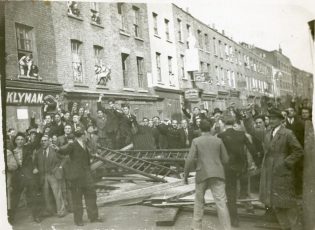
The Battle of Cable Street is a moment of iconic significance in British Jewish history and in the history of anti-fascism in this country. In the current moment, when the far right is resurgent, when Jewish leaders look to the state for support in the struggle against antisemitism, and when alliances between Jews and the anti-racist left are fragile, this public discussion asks what it should mean to remember Cable Street today.
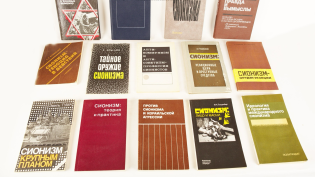
Anna Shternshis discusses why anti-Zionist ideas found little resonance in the Soviet Union of the 1970s, yet appear to resonate powerfully among many Jews and non-Jews in contemporary North America.
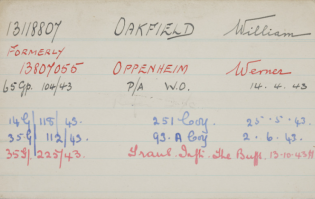
For many of the refugees who escaped Nazi Germany, there remained a tension between assimilation into British society and their own sense of identity. In this lecture, Jan Rüger asks: how should we think of those who have moved and were forced to move between the two countries in the past?

In this talk, Sina Arnold proposes that the term institutional antisemitism can serve as an analytic lens for the study of contemporary antisemitism in primary and secondary schools in Germany.
The founding principle of the Institute is that the study of antisemitism is vital to understanding racialization, racism and religious intolerance.