

The Birkbeck Institute for the Study of Antisemitism holds seminars, workshops and conferences for scholars, and lectures, discussions and film screenings that are open to everyone.
This conversation between Debórah Dwork and Dan Stone explores the experiences of American aid workers who undertook rescue efforts abroad during the second world war.


SEMINAR SERIES | ANTISEMITISM NOW
Pavel Brunssen traces how both Jewish and non-Jewish actors perform Jewishness, antisemitism, and philosemitism within European football cultures over the twentieth and twenty first centuries.
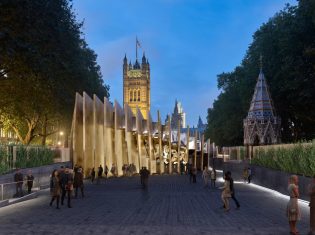
Holocaust Memorial Lecture 2026
David Feldman explores how memorialization of the Holocaust has changed over time, why it has done so, and the role of Holocaust memorialization today.
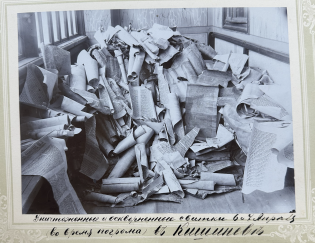
Tova Benjamin considers the place of ‘ethnicity’ in new forms of late nineteenth century popular violence and whether we can develop a shared understanding of Roma and Jewish histories of marginalization in the East European borderlands.
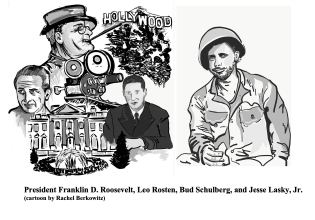
Michael Berkowitz reveals the elusive story of Jewish Hollywood’s role in World War II.
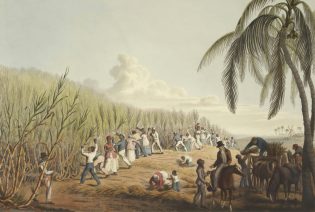
Leo Roepert will examine how the concept of racism is represented in two influential strands of social theory: postcolonialism and Marxism and how this is shaped by each strand’s underlying assumptions as well as their respective limitations.

Mareike Riedel offers an approach to antisemitism that is structural and intersectional, shifting focus from individual bias or ideological content toward questions of power and structural injustice, and discusses what this means for how we think about fighting antisemitism.

Anna Hájková explains why the history of same-sex desire in the Shoah, that is, queerness among Jews persecuted by the Nazis for their race, has been marginalised, and how its return to our understanding of the Holocaust can offer an inclusive history of this genocide.

Faith Hillis offers a new, biographical approach to ‘The Protocols of the Elders of Zion’ that provides new answers to the enduring mystery behind the text’s authorship and argues that the original intention of its creators has been largely misunderstood.
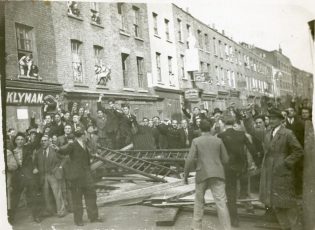
Public Event
The Battle of Cable Street is a moment of iconic significance in British Jewish history and in the history of anti-fascism in this country. In the current moment, when the far right is resurgent, when Jewish leaders look to the state for support in the struggle against antisemitism, and when alliances between Jews and the anti-racist left are fragile, this public discussion asks what it should mean to remember Cable Street today.
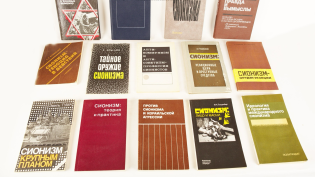
Anna Shternshis discusses why anti-Zionist ideas found little resonance in the Soviet Union of the 1970s, yet appear to resonate powerfully among many Jews and non-Jews in contemporary North America.
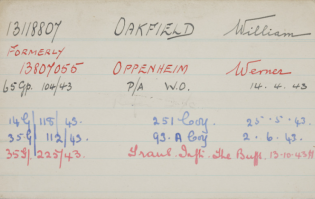
For many of the refugees who escaped Nazi Germany, there remained a tension between assimilation into British society and their own sense of identity. In this lecture, Jan Rüger asks: how should we think of those who have moved and were forced to move between the two countries in the past?

In this talk, Sina Arnold proposes that the term institutional antisemitism can serve as an analytic lens for the study of contemporary antisemitism in primary and secondary schools in Germany.
The Birkbeck Institute for the Study of Antisemitism’s world-leading research underpins its extensive teaching, policy advice and public engagement work.
